
Aban Energy
Innovation based on quality
Innovation based on quality
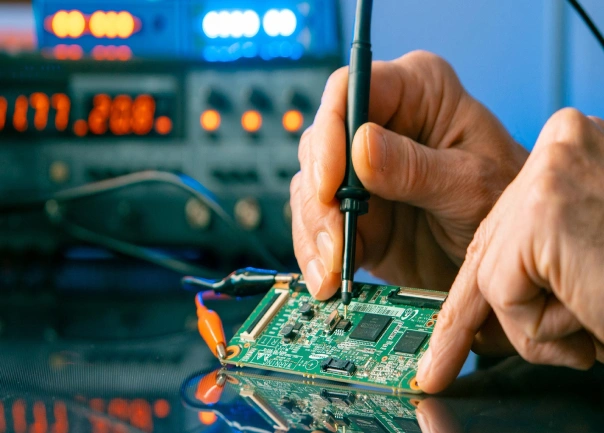
The Importance of Using Digital and Electronic Control Equipment in Refrigeration Systems
In recent years, significant advances in digital and electronic technologies have driven traditional refrigeration systems—once based primarily on mechanical components and analog valves—towards intelligent and automated designs. This transformation has not only greatly improved accuracy and stability in temperature and pressure control, but has also enabled continuous monitoring, energy optimization, and predictive maintenance.
Below, we will examine the key reasons and benefits of using digital and electronic control equipment in refrigeration cycles:
Precision and Stability in Temperature Control
Digital tools equipped with accurate sensors and advanced algorithms can maintain the desired temperature with minimal tolerance. This high level of precision reduces temperature fluctuations and thermal stress in processes, ultimately extending equipment lifespan.
Energy Consumption Optimization
Electronic controllers can instantly adjust fan speeds and refrigerant flow based on the system’s actual load. This results in lower electricity consumption and operational costs.
Monitoring and Remote Control Capabilities
By equipping the system with digital controllers and network communication protocols (such as Modbus, BACnet, etc.), it becomes possible to monitor performance online, receive alerts, and make remote adjustments. This enhances accessibility and smart management.
Rapid Fault Detection and Predictive Maintenance
Electronic systems can continuously monitor key parameters (pressure, temperature, current) and issue alerts in case of any anomalies or faults. With performance logs, potential failures can be predicted, allowing for timely maintenance before serious issues occur.
Enhanced Safety and Prevention of Hazardous Conditions
Digital control equipment, through continuous monitoring of pressure and temperature, can quickly shut down the system or switch to a safe mode in case of unsafe conditions (e.g., excessively high or low refrigerant pressure), thereby preventing accidents.
Flexibility and Scalability
Modern controllers are programmable and reconfigurable for various protocols and processes. If the system changes (such as sensor/switch type or refrigerant), performance can be adapted through configuration updates alone.
Integration with Management Systems
Data collected by digital controllers can be transferred to Building Management Systems (BMS) or energy analysis software. This integration provides a comprehensive view of consumption and performance across the entire refrigeration infrastructure.
Periodic Logging and Reporting
Digital systems enable the storage and export of periodic performance reports. These reports are essential for long-term performance analysis, maintenance planning, and compliance with quality standards.
برای ورود به سایت ایمیل یا شماره موبایل خود را وارد کنید.
کد تایید در دمو 11111 است.
Copied to clipboard